 Gift
Gift Tickets
 Membership
 Contact
 Donate
 Shop
ShopSouthdown Babydoll Sheep
Description
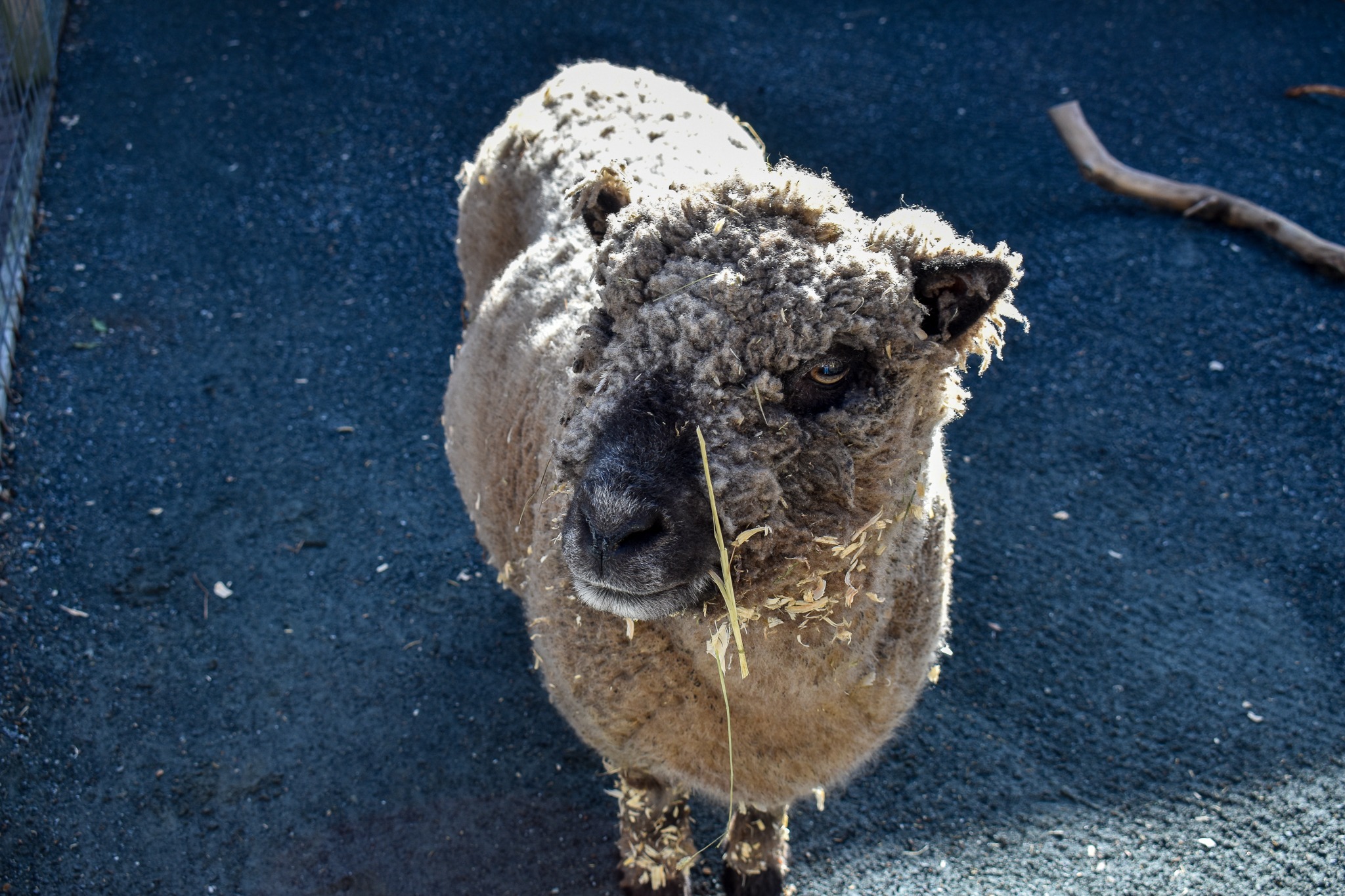
Southdown babydoll sheep are named for their teddy-bear-like appearance. Due to the shape of their muzzle, Southdown babydoll sheep almost always appear to be smiling. Their coats are typically white/off-white or black.
When shorn, this species stands about 18 to 24 inches tall. This smaller stature makes them an excellent choice for smaller farms.
Range & Habitat
Southdown babydoll sheep originated in the South Down hills of Sussex County, England. These sheep were believed to have been brought to the United States as early as 1803.
At the Virginia Zoo, these sheep can be found in the Red Barn at the ZooFarm or nearby grazing areas.
Behavior
Sheep are social animals with strong herd instincts. They tend to gather in groups called flocks and perform allelomimetic behaviors, meaning they copy or mimic what they see other individuals in the group doing. Flocks usually consist of animals of the same sex. Females stay in the same flock as their mothers and any additional offspring. Males leave the flock of females and juveniles at about 1-2 years old.
Sheep typically communicate using visual signals, such as stomping, pawing, fleeing, or posturing.
Diet
Sheep are herbivores. They eat a varied diet consisting of hay, browse (leaves from local plants), and grain.
Conservation
As a domesticated species, Southdown babydoll sheep are not listed on the International Union for the Conservation of Nature Red List. However, there are registries to identify individuals that conform to the standards for this breed.
Fun Facts
- Fleece from babydoll sheep has a diameter of 19 to 22 microns, meaning it can be considered cashmere. Their fleece also has more barbs per inch than any other wool type, so it is ideal for blending with other types of fibers.
- Southdown babydoll sheep were originally bred for their hardiness and tender meat. Today, they are ideal as companion animals with other non-aggressive livestock.
- John Ellman is credited with attempting to standardize this breed as early as 1780.
Virginia Zoo Animals
Males: Alvin (04/01/2016) and Simon (04/01/2016)
Scientific Name
Ovis aries
IUCN Conservation Status
Not Evaluated
Size
Weight: 60- 125 lbs.
Life Expectancy
10 years
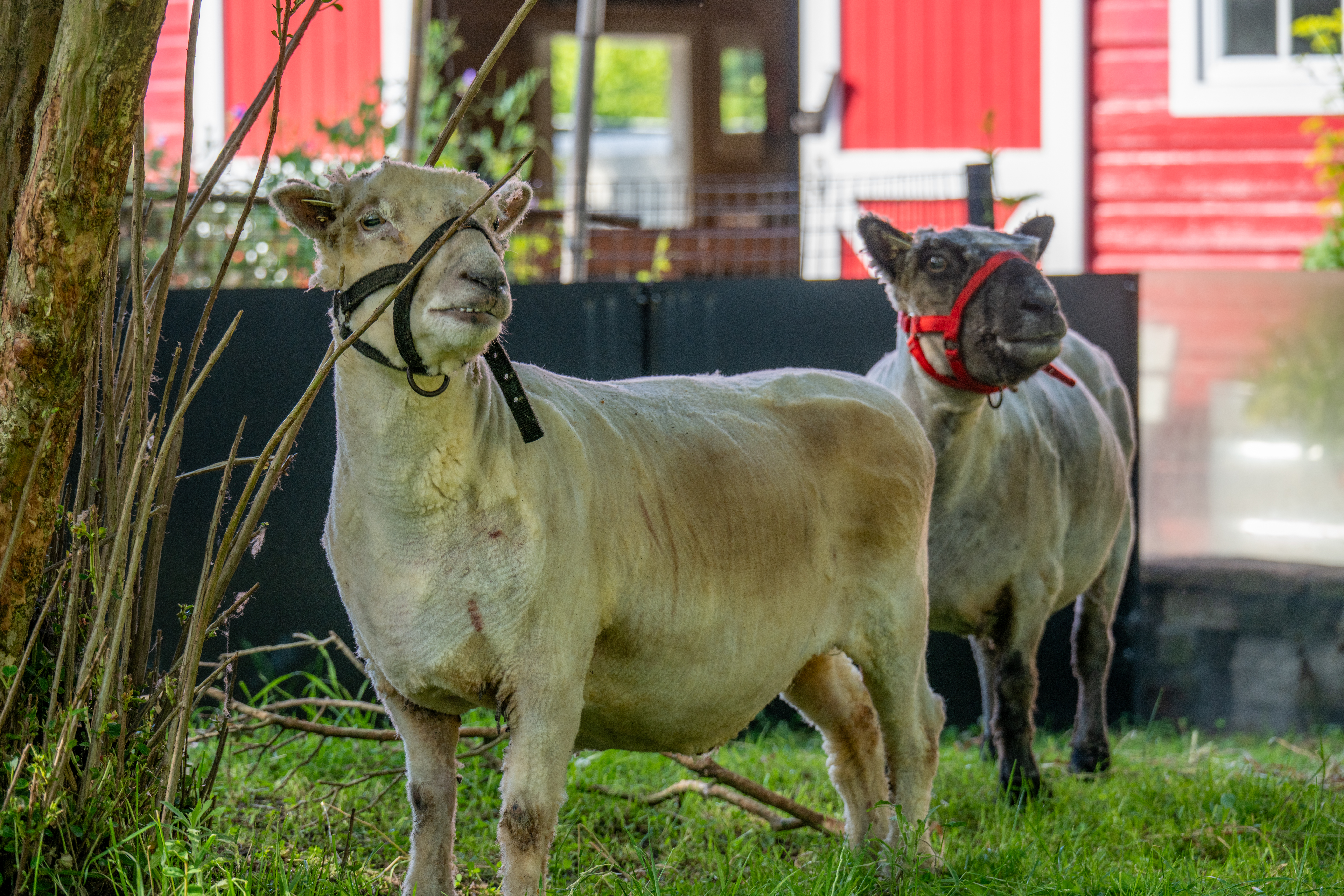
Simon and Alvin
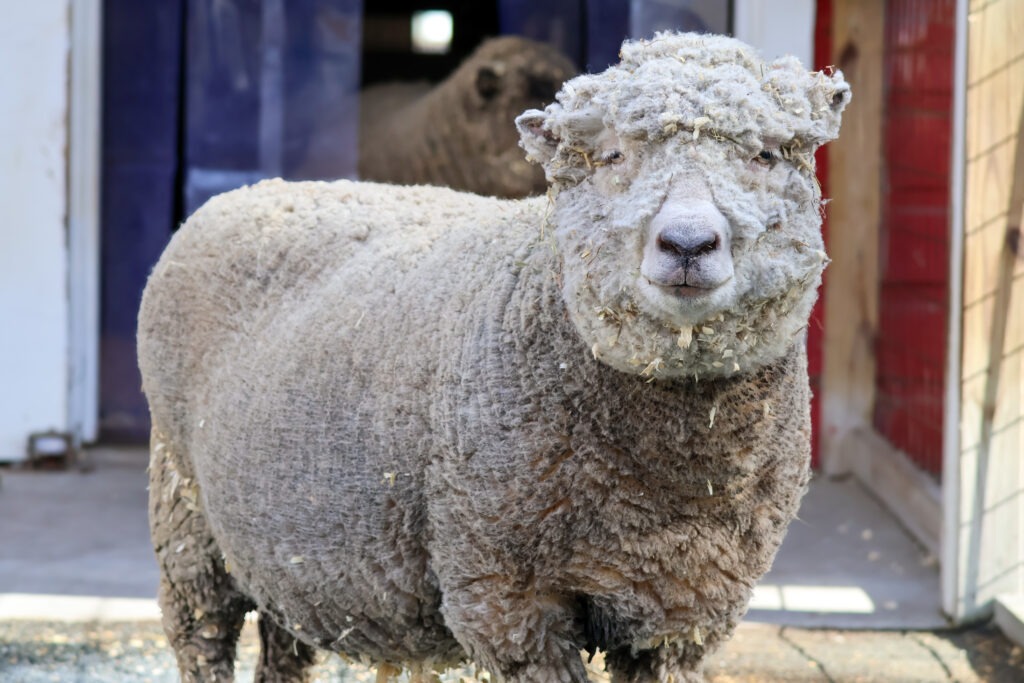
Simon
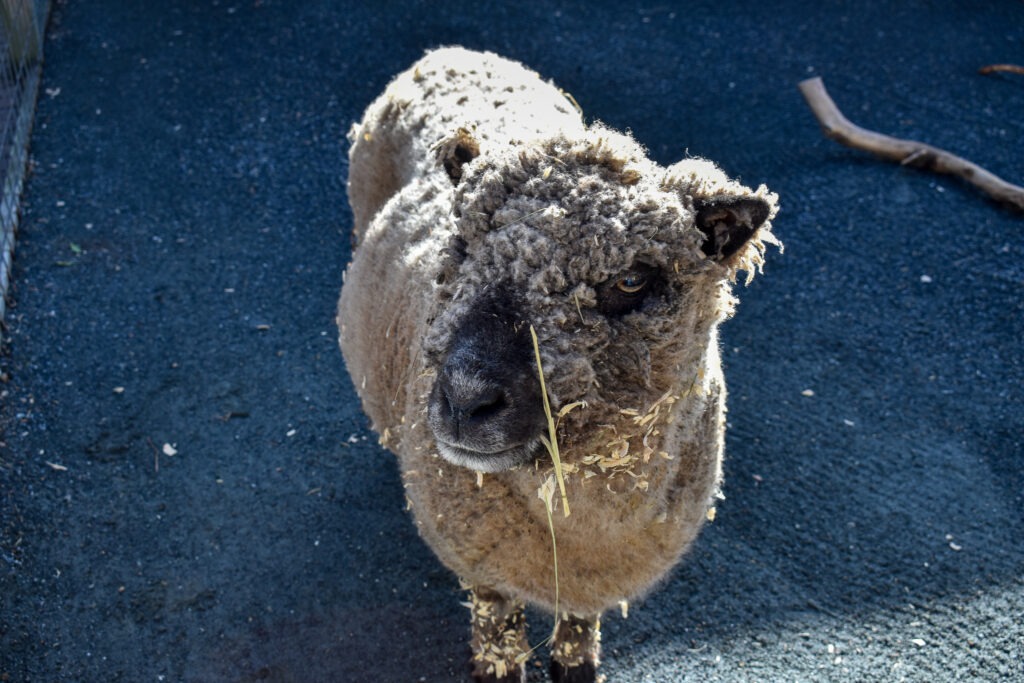
Alvin