Gift
Gift Tickets
 Membership
 Contact
 Donate
 Shop
ShopSUSTAINABILITY
The Virginia Zoo is committed to sustainable practices and encourages the community to do the same. Here are several ways the Zoo has dedicated to green practices – how many are you doing? How many can you try in your home, workplace or community this year? Not only are we building a community of environmental stewards, but we are also saving money, resources and the world with our daily actions.
Click the title of each sustainability topic or the plus sign (+) next to each initiative to learn more about our efforts at the Virginia Zoo.
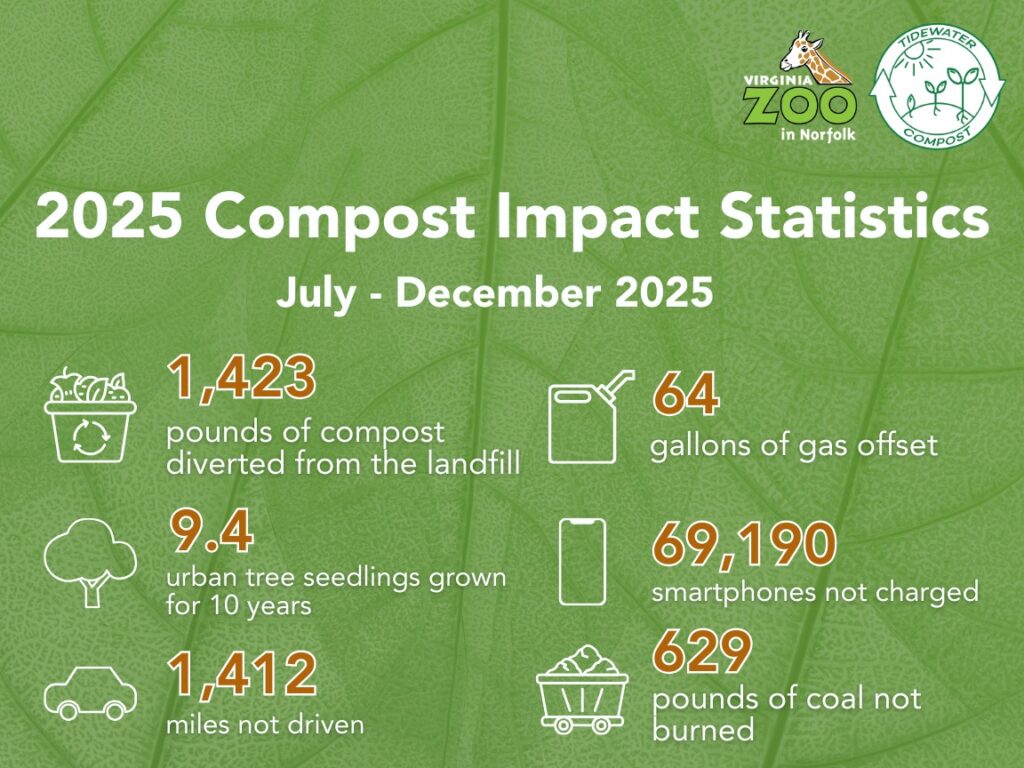
The Virginia Zoo Green Team Committee is a group of staff interested in improving the Zoo’s sustainability initiatives. They are dedicated to adopting environmentally conscious practices at the Virginia Zoo to further inspire our community to protect our planet. Green Team is specifically focused on waste reduction, water use, energy and fuel conservation, and sustainable practices.
In 2025, the Virginia Zoo Green Team initiated a partnership with Tidewater Compost to reduce the impact of our food waste. This partnership began with food waste in our Admin Building and Animal Services Building office kitchens and now extends to our World of Reptiles and Animal Wellness Campus! Tidewater Compost also joined the Zoo for our first Fall Fest in September 2025 to compost food scraps from the event.
Green Team is looking forward to developing new sustainability initiatives and building on existing ones each year!
Recycling is one of the many ways that we can reduce the amount of waste in landfills. Here at the Virginia Zoo, we aim to recycle as much as we can, from plastic bottles and aluminum cans to electronic waste. We also encourage our guests to do the same, both on grounds and in their own homes!
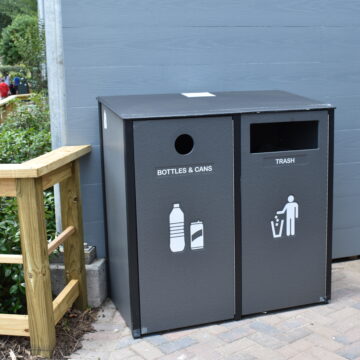
Recycling Bins
Trash and recycling bins are conveniently located across the park. The products collected in our recycling bins are sent to a facility to be broken down and reused, including paper, cardboard, plastics, and aluminum cans.
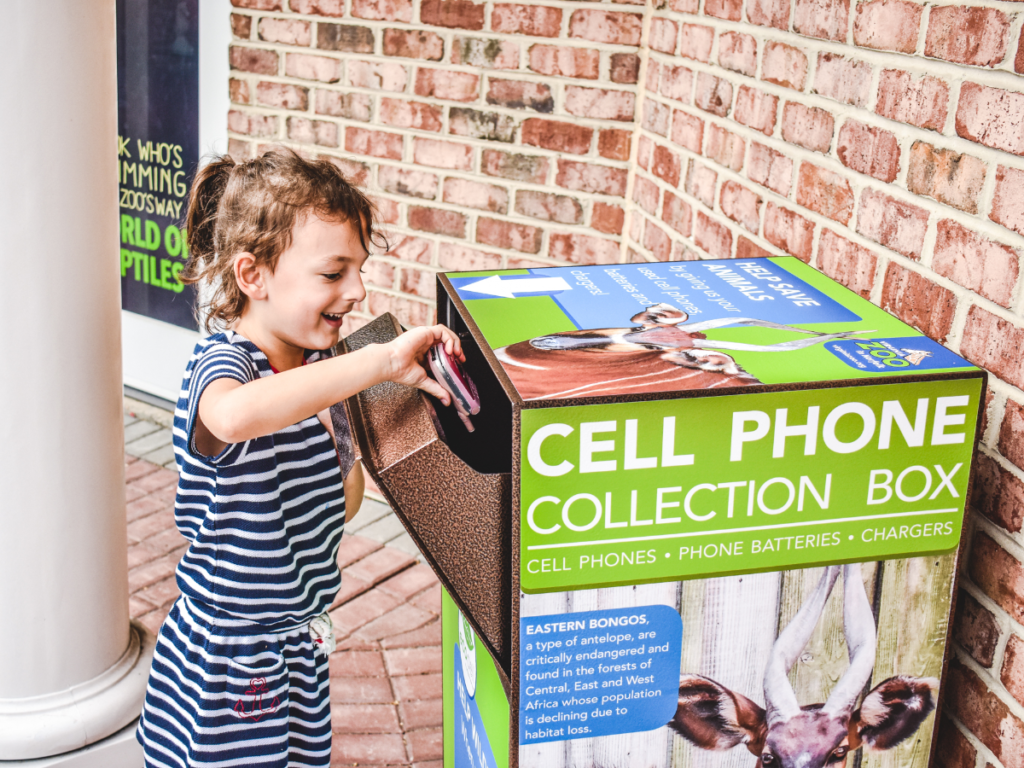
ecocell
Many electronics require rare minerals and metals to function. Mining for these materials destroys habitats and displaces native species. You can protect wildlife by recycling your unwanted electronics right here at the Virginia Zoo! Simply place your old cellphones, iPads/tablets, smartwatches, earbuds, charging cables, and other electronic waste in the ecocell bin located outside the Gift Shop on the outside of the Zoo. Visit ecocell’s website here for the full list of recyclable items.
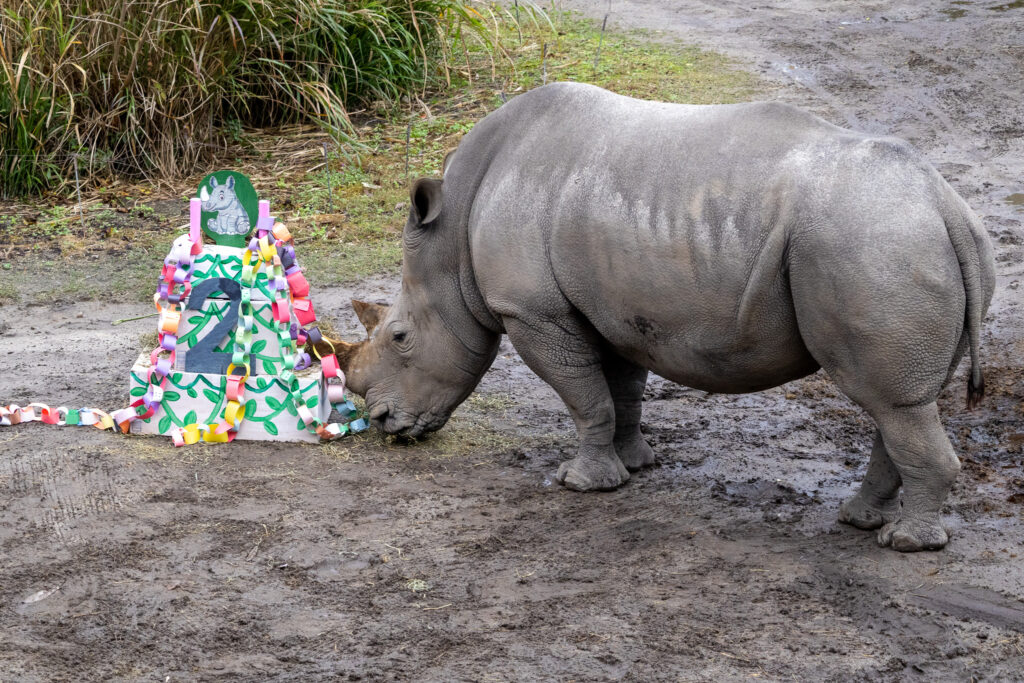
Enrichment
Cardboard and paper don’t go to waste here at the Zoo! We often reuse cardboard boxes and newspaper as enrichment for our animals. From cardboard birthday cakes for our rhinos to newspaper shreds for burrowing Animal Ambassadors, we find ways to give paper waste a second life before throwing it away.
Water
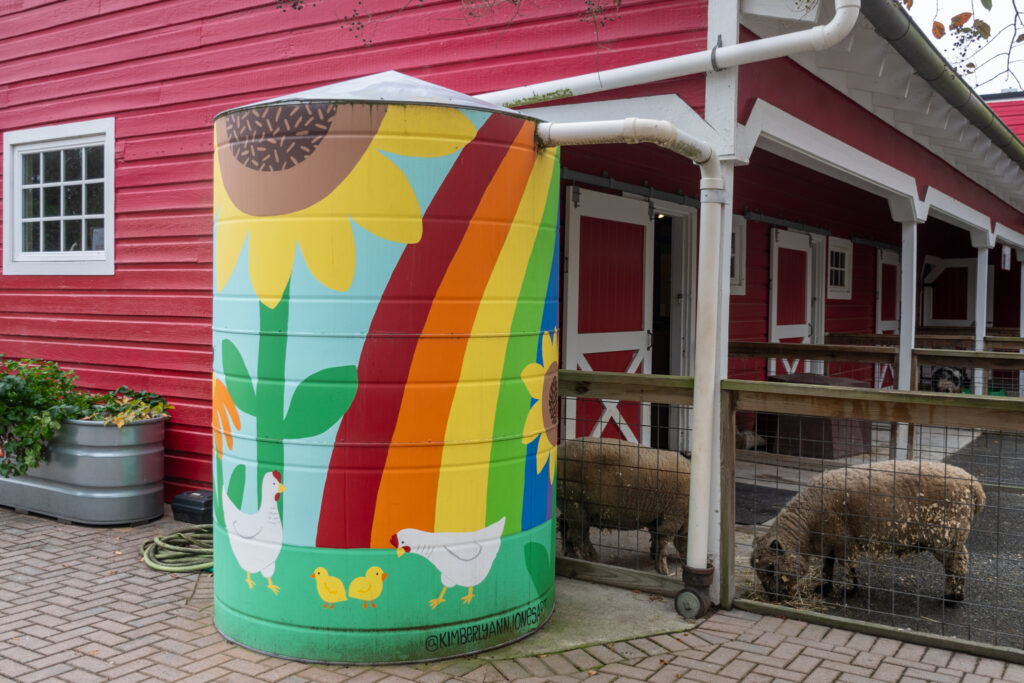
The Zoo conserves water in several different ways. Zoo Keepers clean animal habitats and night houses by sweeping instead of hosing down areas. We use cisterns (pictured above), rain gardens and catchment basins across Zoo property to capture rain water from the roofs of buildings and visitor paths. These devices cause the water to pool so that it can percolate back down into the water table making it available for future use rather than running off into storm sewers that empty into the Lafayette River. We also installed automatic flush toilets and faucets in all of its restrooms that reduce water usage.
Energy
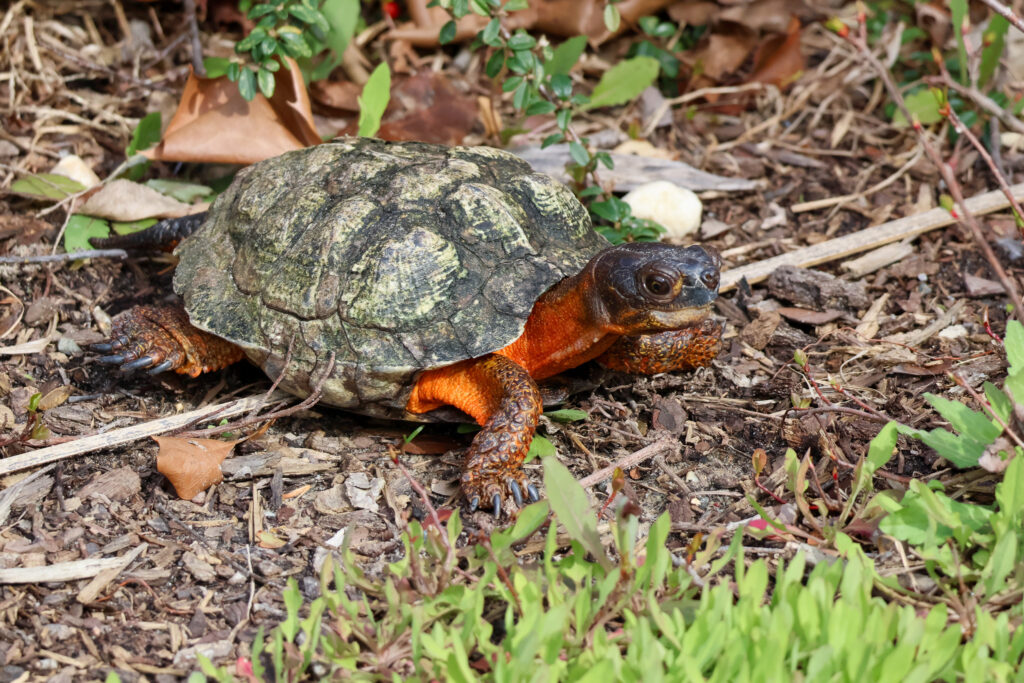
The Virginia Zoo is a hybrid organization run between the City of Norfolk and the non-profit Virginia Zoological Society. The City of Norfolk instituted the Better Buildings Challenge to reduce energy consumption. In 2024, the Virginia Zoo was the second biggest saver (had the second largest reduction in energy consumption) of all the buildings in the City of Norfolk. The city also create an Energy Champions program, a voluntary program for individuals going the extra mile in promoting energy sustainability. The Zoo has several employees who are City of Norfolk Energy Champions.
The Zoo reduces electricity by using light sensors to turn on lights in guest and staff restrooms, keeping overhead lights off in hallways and unused rooms in the Administration Building, and opening the blinds in staff offices to let in natural light.
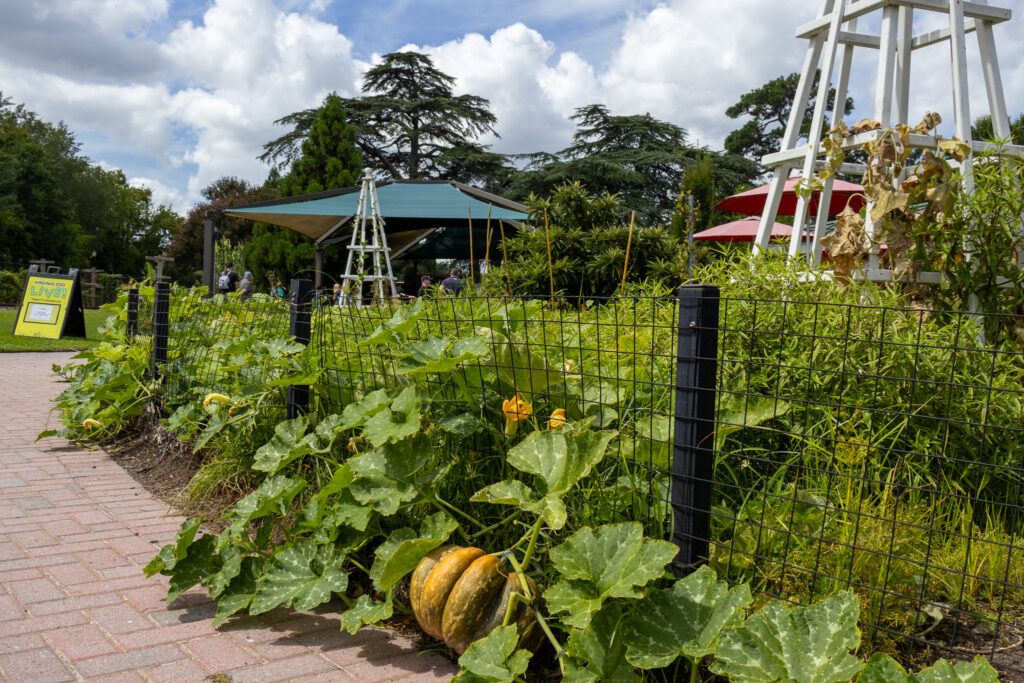
The Zoo has several gardens across grounds. In the Animal Wellness Campus Orchard and the ZooFarm garden, we grow several species of edible plants that can be consumed by our animals as part of their regular diet or for seasonal enrichment.
We also have several Habitat Hero demonstration gardens in the Flora Point area of the Zoo to show guests how little space it takes to create a small habitat for native wildlife!
Gardening at the Zoo also takes non-traditional forms. For example, our Aldabra tortoise house has “living” walls which grow plants with less space and water usage. These living walls grow coral bells, ice plant, and purple hearts. They have an irrigation system built in behind the wall to water the plants automatically with less wastewater. Plants grown on a living wall provide natural air purification, cooling, habitat for pollinators, and noise reduction through sound absorption, making them an excellent addition to our Aldabra tortoises’ habitat. Plus, you can build a living wall on your own with just some wooden pallets or repurposed shelving!
Palm Oil Scan
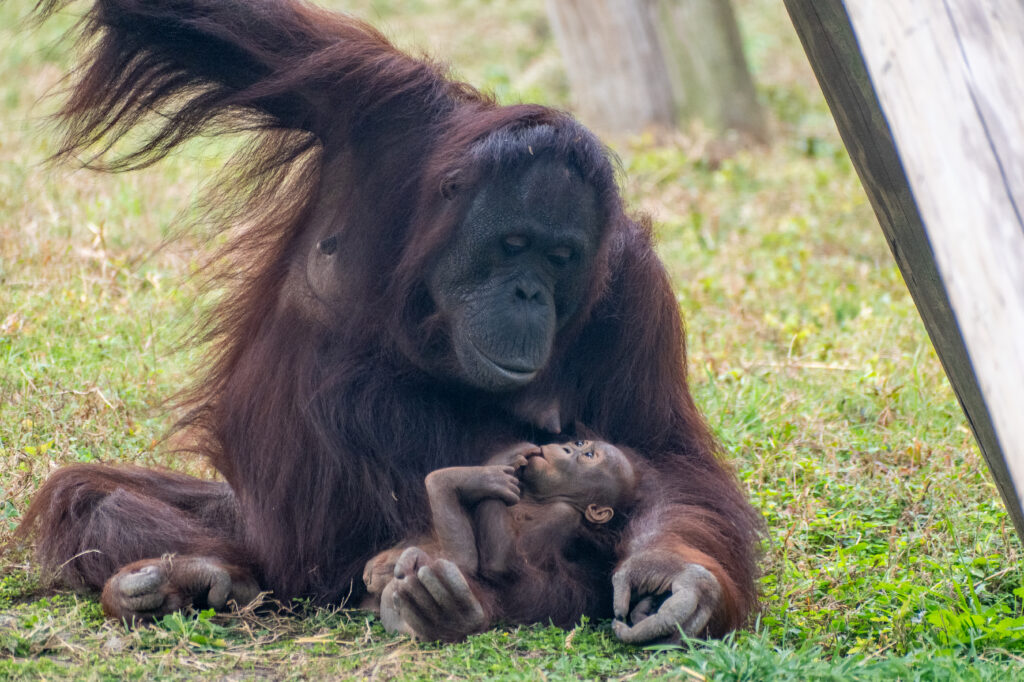
Palm oil is a preservative found in candy, cookies, baked goods, shampoo, cosmetics, pet foods and even cleaning products. When palm oil is produced at certified sustainable plantations and mills, rainforest areas are protected. However, non-sustainable plantations result in the destruction of critical habitat for orangutans, Sumatran elephants, tigers, Sumatran rhinos and many other animals. Take action by making responsible consumer choices; only purchase products made from sustainably-produced palm oil, or products without palm oil present.
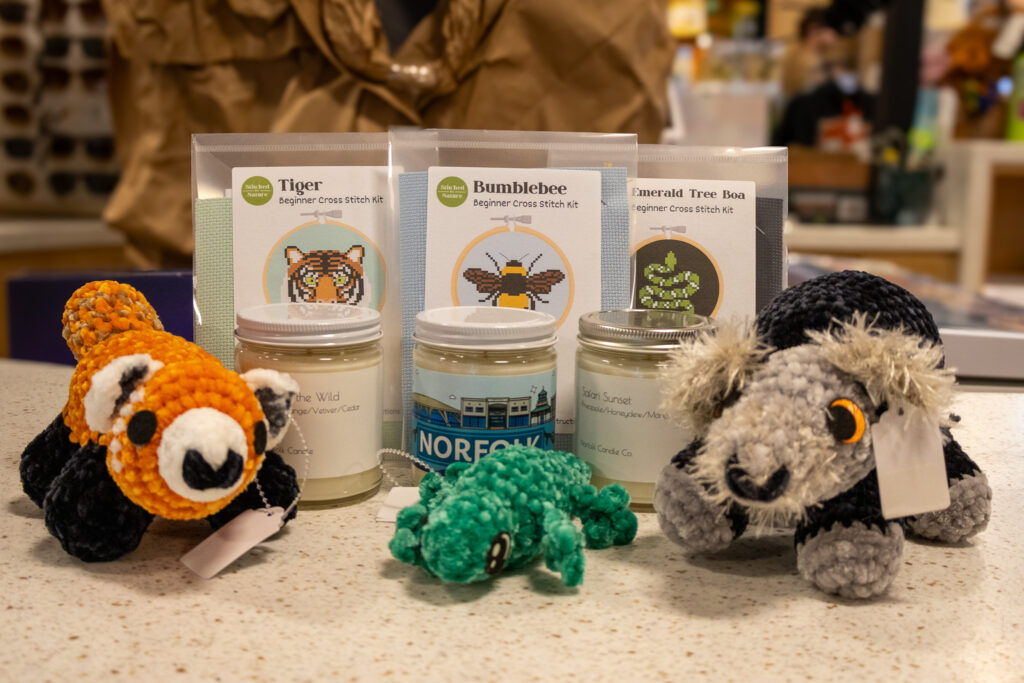
Locally Sourced Items
The Virginia Zoo Gift Shop stocks items crafted by local artists and small businesses, like Norfolk Candle Co., Stitched by Nature, and Tied in Knots Crochet. By shopping local, you can help reduce carbon emissions from shipping and waste from excess packaging. It’s a win for you, your community, and our planet!
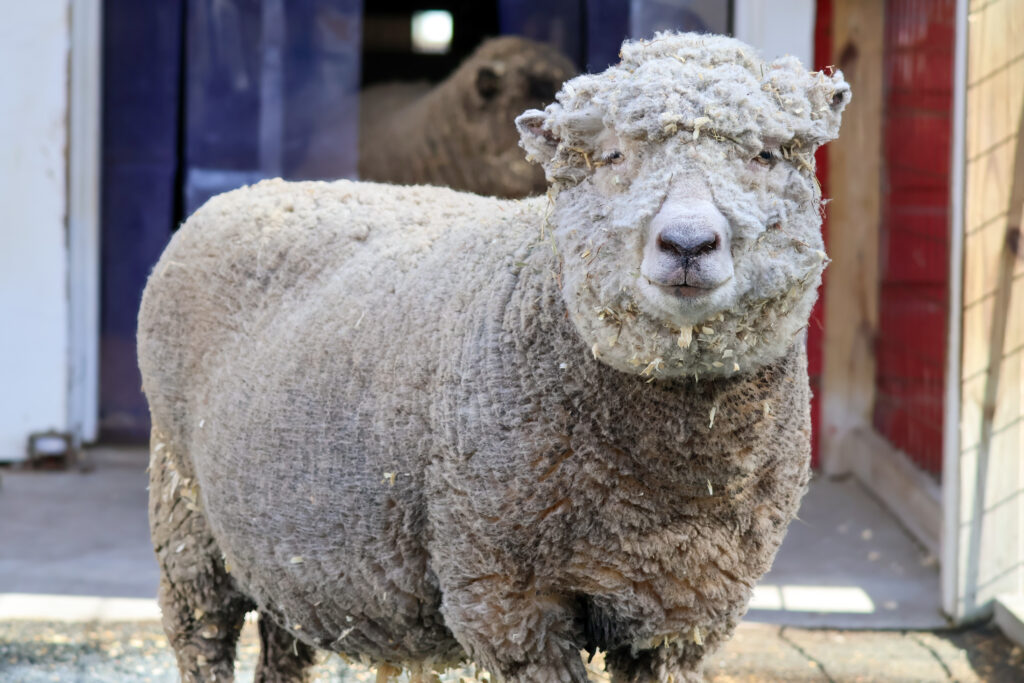
In addition to working towards our own sustainability goals, we help our community partners achieve theirs! In 2025, we donated approximately 25 pounds of wool from our Southdown babydoll sheep and Huacaya alpacas to the Coastal Virginia Weavers. They then transformed our wool into usable fibers for their crafts!
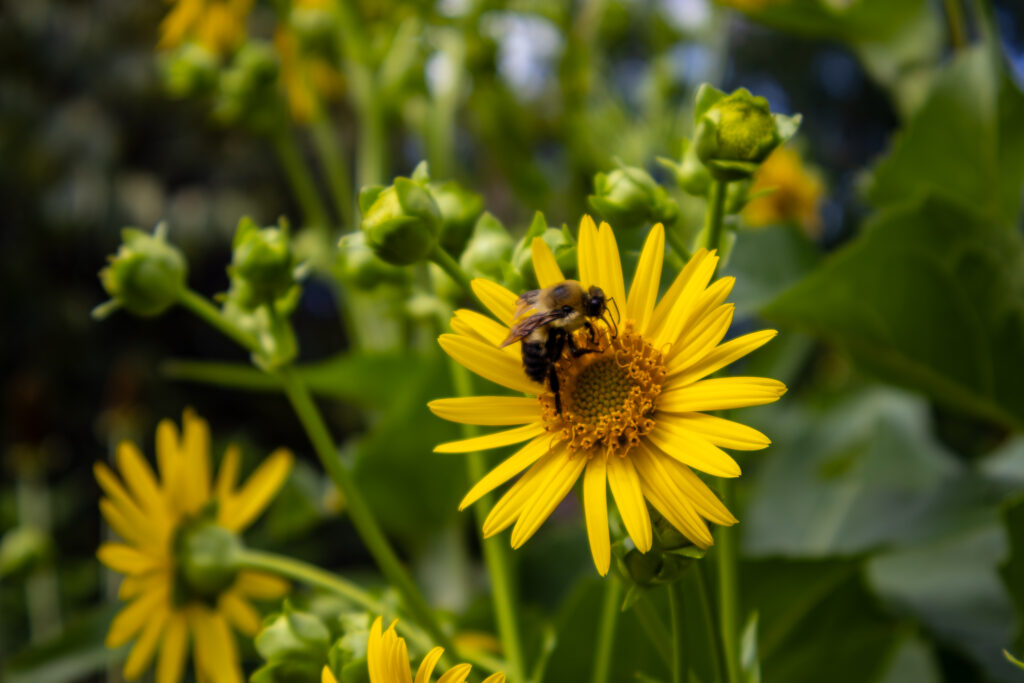
The Virginia Zoo has a few different beehives on grounds in the ZooFarm and Flora Point. These hives provide additional pollinators to the local ecosystem which allows us and our neighbors to have stunning gardens! Special thanks to the Tidewater Beekeepers Association for their assistance with maintaining the observational hive and AZ hive in the red barn at the ZooFarm.
The Zoo has formed partnerships with many businesses and organizations to work together and engage our communities in sustainability practices. Some of those include: