 Gift
Gift Tickets
 Membership
 Contact
 Donate
 Shop
ShopAnimals Off Exhibit
Below you will find the list of animals currently off exhibit at the Virginia Zoo. For some we will provide brief explanations as to why they are not viewable and others will have more in depth content further down the page. There are a number of reasons why some animals may not be viewable – some of them temporary and some permanent. Please note, at times animals may not be listed below if they are off habitat due to outside temperature requirements/weather or have access to their indoor areas as this situations can happen at a moment’s notice at any time.
Remember, if you do not see an animal in their habitat, it doesn’t necessarily mean they are “off exhibit.” For animal wellbeing, our animals are provided with covered areas or indoor access so they have the freedom to choose if they are visible or not. Don’t be afraid to ask a staff member or volunteer if you are unsure – we are always happy to help!
Animals currently off exhibit:
- American Bison (Not currently housed at the Virginia Zoo).
- Animal Ambassadors (These animals live behind the scenes year-round).
- Binturong (Not currently housed at the Virginia Zoo).
- Cinereous Vulture (Exhibit construction).
- Emus (Not currently housed at the Virginia Zoo).
- Kangaroo (No longer a Virginia Zoo species).
- Kunekune pigs (No longer a Virginia Zoo species).
- Ostrich (Not currently housed at the Virginia Zoo).
- Prairie Dogs (Not currently housed at the Virginia Zoo).
- Two-toed sloth (Exhibit remodel).
- Wallaby (Retired behind-the-scenes).
American Bison
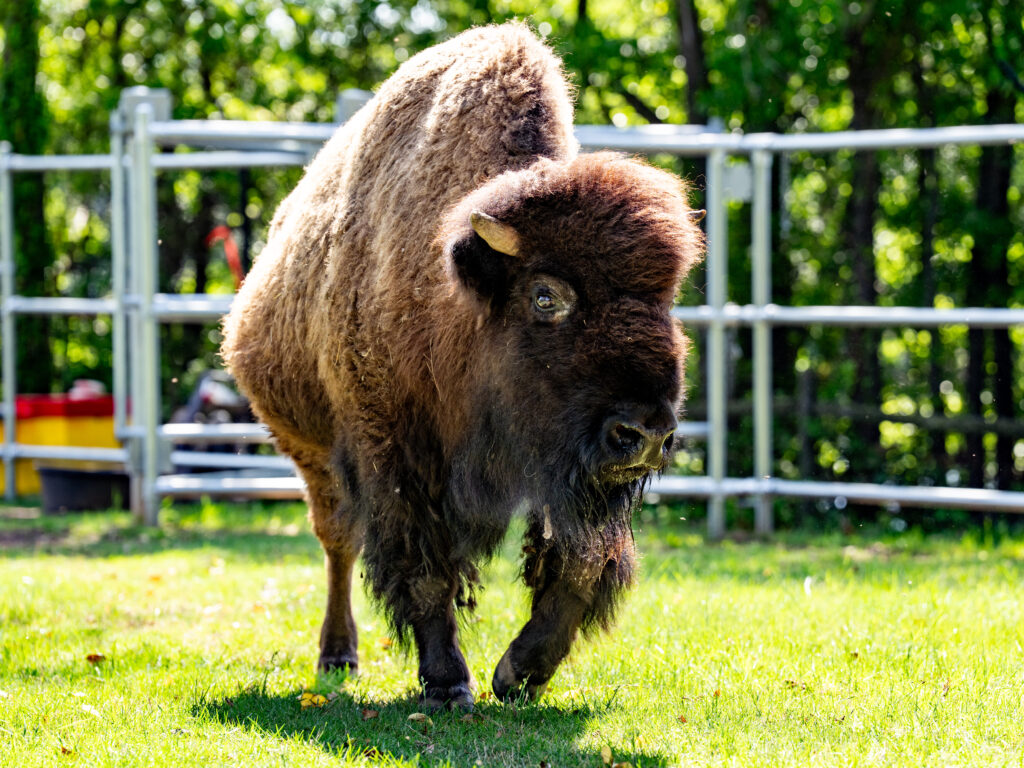
On May 4, 2026, the Virginia Zoo’s sole senior female American bison, Lily (27), passed following a routine veterinary procedure. Sadly, she experienced life-threatening complications during her recovery, so her care and veterinary teams decided that the most compassionate next step was to proceed with humane euthanasia.
Wild bison have a life expectancy of 10-20 years, while bison in human care can exceed 25 years of age. At the time of her passing, Lily was one of the oldest bison across the Association of Zoos and Aquariums-accredited zoos.
To learn more about Lily’s life, read this blog linked here.
Ambassador Animals
What are ambassador animals? Well, technically all the animals who call the Zoo home are animals who are ambassadors for their species! However, in this case, we are speaking about the group of animals that participate in educational programs like Zoo Live! Shows, Animal Meet-and-Greets, Media Interviews, Classes, Camps, and more! Essentially, these animals are the ones you can get up close and personal with at the Zoo (with the assistance of their handler of course!). They play a very special role at the Virginia Zoo. Their job is to connect our guests directly to wildlife conservation and educate them about the importance of their species and others like them! It is because of this role and their frequent interaction with guests that they are housed behind-the-scenes. This provides them a safe, quiet place to rest and a controlled environment to continue training with their handlers!
Binturong
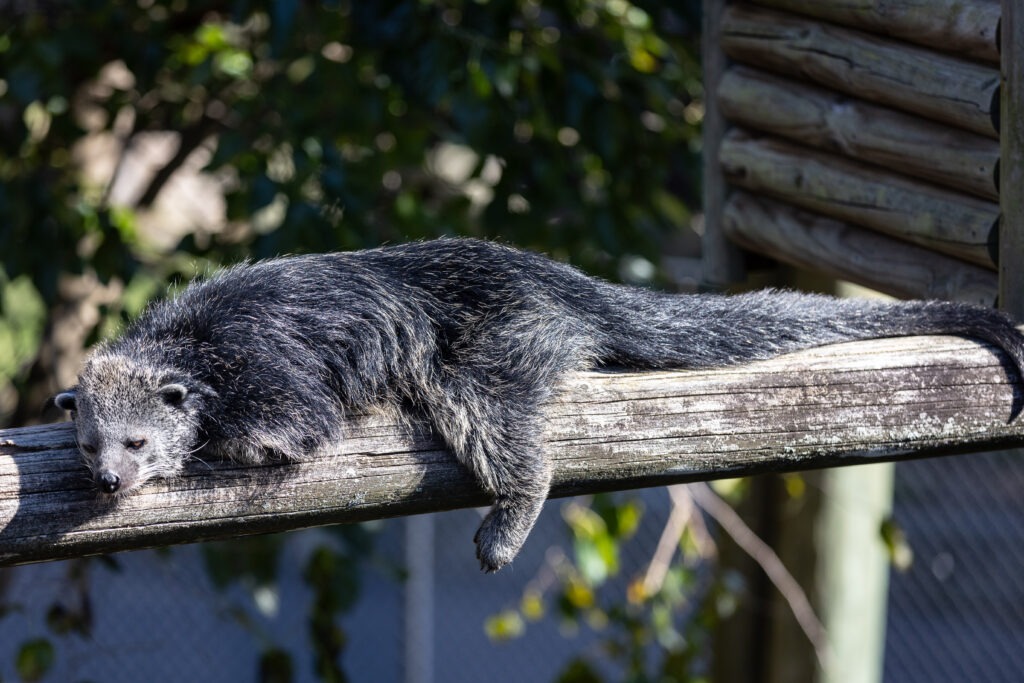
On June 8, 2026, the Virginia Zoo’s sole senior male binturong, Tasik (25), passed following a routine veterinary procedure. That morning, Tasik experienced a rapid and significant decline in his health, and after careful evaluation, our animal care and veterinary teams determined that the most humane and compassionate option was to proceed with euthanasia.
At 25 years old, Tasik was a super senior who had far exceeded the Association of Zoos and Aquariums’ (AZA) median life expectancy of 17.9 years for male binturongs, a true testament to the phenomenal care he received throughout his life, especially during his later years at the Virginia Zoo.
With this loss, the Virginia Zoo does not currently house binturongs but are in contact with the Binturong Species Survival Plan (SSP) to see if there are any binturongs that need placement. The habitat still houses Sarus cranes, Ichabod and Sally.
Cinereous Vultures
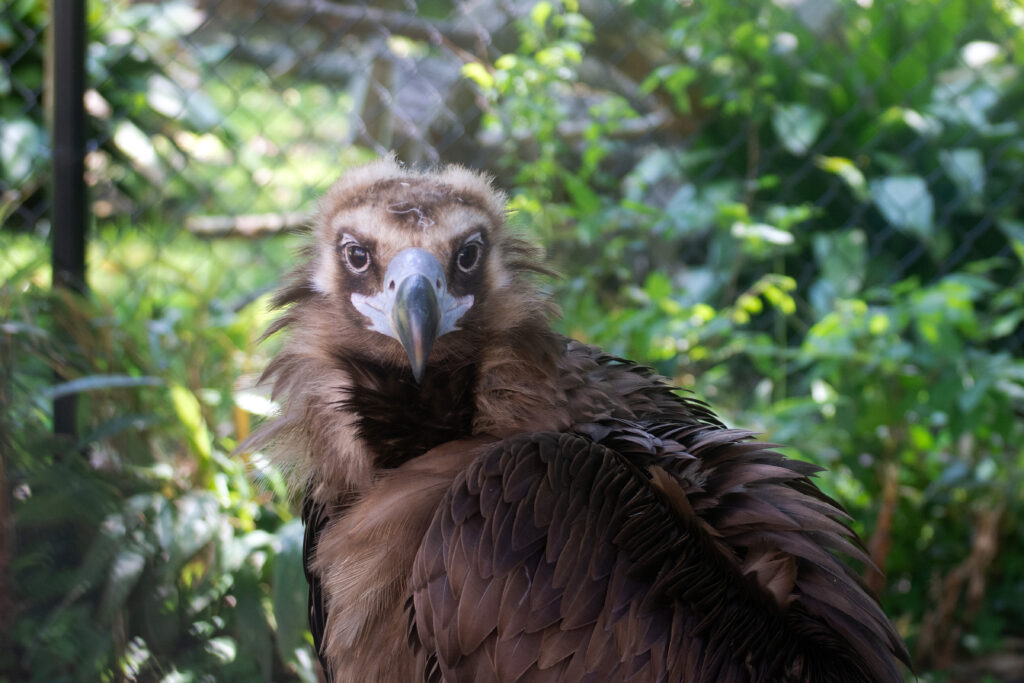
Our cinereous vultures, J.D. and Eve, are actually viewable right now! Though they may be difficult to spot since their habitat doesn’t directly come in contact with our guest walkway. However, when visiting with the tapirs, if you look close enough, you may be able to spot them behind the tapir habitat! Additionally, a trip of the Virginia Zoo Express train will take you behind the scenes and give you a closer view of their habitat (you may get the chance to see them eating too!). This is their temporary housing area while we work on building them a new habitat right across from the Asia: Trail of the Tiger entrance! Stay tuned for progress!
Kunekune Pig
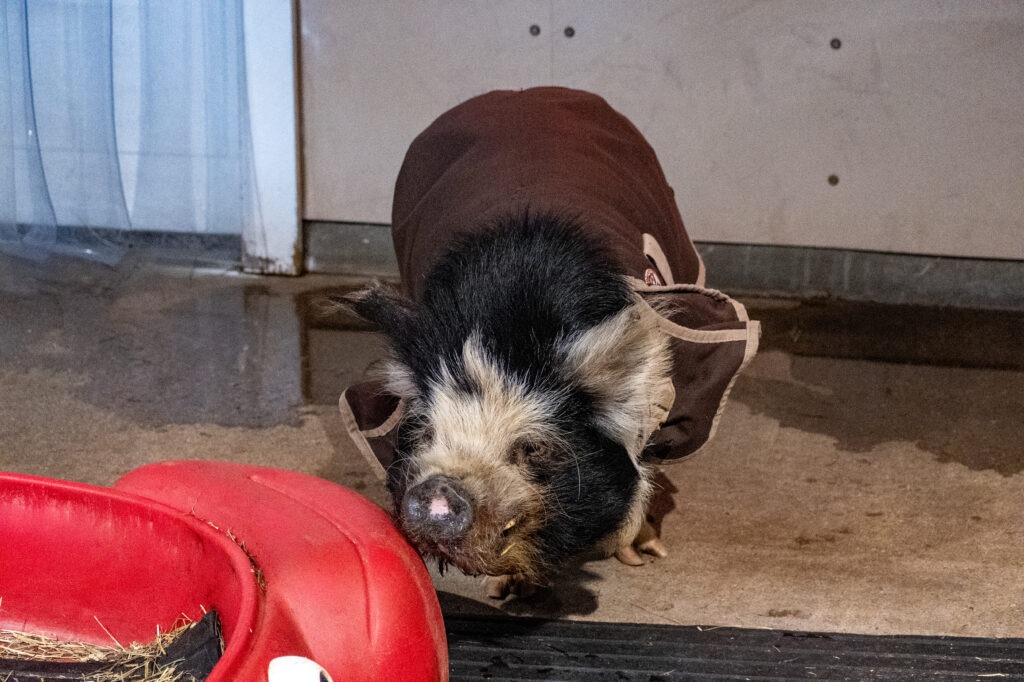
On Monday, June 22, the Virginia Zoo’s sole male kunekune pig, Ricky (11) passed away. He was humanely euthanized due to complications from his advanced age and vestibular disease.
The vestibular system consists of sensory organs in the inner ear, and it helps maintain balance. With his vestibular disease, Ricky occasionally experienced episodes of dizziness and rapid eye movements as his body attempted to reset his vestibular system. This disease is common in geriatric animals and people. In humans, we refer to this condition as vertigo.
At this time, we do not have any plans to bring more kunekune pigs to the Virginia Zoo. However, the ZooFarm is still home to three American mini pigs, Captain, Peggy, and Bucky.
Wallaby, Kangaroos & Emus
Many of you may remember when the Australia Walkabout was full of some of our favorite animals from the land down under like kangaroos, wallabies, emus and more! While the cassowaries still reside there and would love a visit from you, the kangaroos and wallabies have sadly aged out. The Virginia Zoo is still home to two senior wallabies who have retired behind-the-scenes to enjoy some quiet time and extra attention from their keepers. Additionally, our two remaining geriatric emus passed in 2024. The Australia Walkabout is currently closed as we reevaluate its future and is currently operating as a transitional space for the arriving and departing animals.